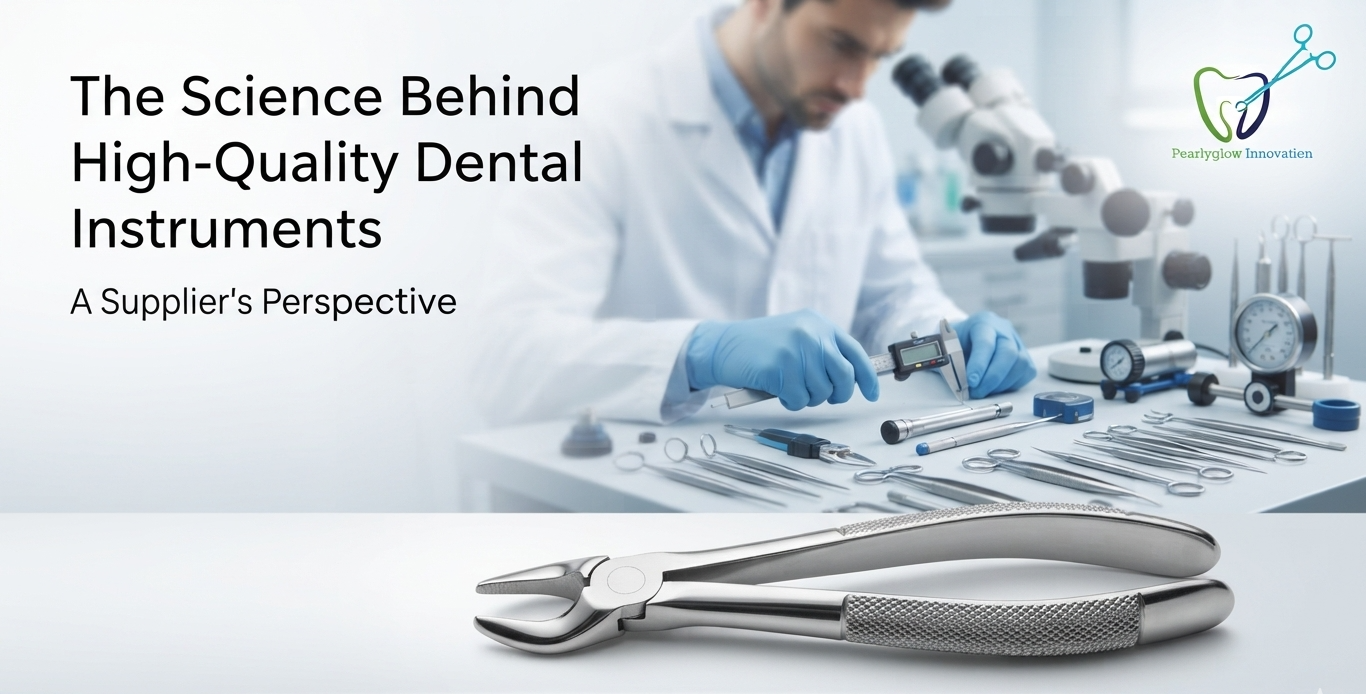
The Science Behind High-Quality Dental Instruments
The Science Behind High-Quality Dental Instruments: A Supplier's Perspective
Quick Answer
High-Quality Dental Instruments are the result of precision engineering, premium stainless steel, controlled manufacturing processes, strict quality inspections, and ergonomic design. A reliable dental instrument supplier focuses on consistency, durability, corrosion resistance, and clinical performance to ensure safer procedures and longer instrument life.
Introduction
Every successful dental procedure depends not only on clinical skill but also on the quality of the instruments used. Whether performing a routine extraction or complex oral surgery, dentists rely on instruments that provide precision, control, and durability.
Behind every set of High-Quality Dental Instruments lies a combination of metallurgy, engineering, precision manufacturing, and rigorous quality assurance. Understanding this science helps dentists make informed purchasing decisions and choose suppliers who consistently deliver reliable products Learn more in our complete guide on How to Choose a Dental Instrument Supplier (Check more).
This article explains the science that differentiates premium dental instruments from ordinary alternatives and highlights the factors every buyer should evaluate before investing.
Why This Matters for Indian Dentists
India's dental industry continues to expand, with increasing expectations for patient safety, procedural efficiency, and infection control. Poor-quality instruments can lead to:
- Reduced clinical precision
- Instrument breakage
- Faster wear and corrosion
- Increased replacement costs
- Lower patient confidence
Investing in scientifically engineered instruments helps clinics improve procedural outcomes while reducing long-term operational expenses.
The Science Behind High-Quality Dental Instruments Starts with Material Selection
The foundation of High-Quality Dental Instruments is the raw material.
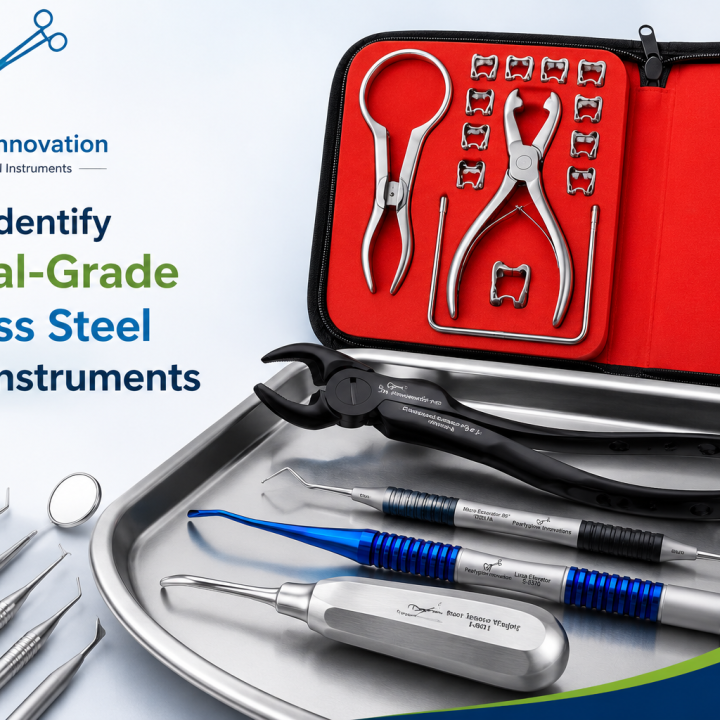
The majority of Stainless Steel Dental Instruments are manufactured using high-grade surgical stainless steel because it provides an ideal balance of strength, hardness, corrosion resistance, and sterilization compatibility (Check more).
High-quality surgical steel offers:
- Excellent resistance to rust
- High tensile strength
- Better edge retention
- Long service life
- Resistance to repeated autoclaving
Low-grade steel often loses sharpness, develops corrosion, or becomes structurally weak after repeated sterilization cycles.
Precision Manufacturing Defines High-Quality Dental Instruments
Not all manufacturing processes produce the same results.
A reputable Dental Instrument Manufacturer invests heavily in precision machining, CNC technology, forging, polishing, and finishing processes to maintain dimensional accuracy.
Key manufacturing stages include:
Precision Forging
Forging strengthens the metal's grain structure, improving durability compared to cast instruments.
CNC Machining
Computer-controlled machining ensures:
- Consistent dimensions
- Accurate tip alignment
- Uniform jaw closure
- Better clinical performance
Heat Treatment
Controlled heat treatment improves hardness without making instruments brittle.
Surface Finishing
Premium polishing removes microscopic surface imperfections that could trap contaminants or promote corrosion.
Why Quality Control Is Essential for High-Quality Dental Instruments
Producing High-Quality Dental Instruments requires inspection at every stage.
Reliable manufacturers perform multiple quality checks before instruments reach dentists.
Typical inspections include:
Material Verification
Manufacturers verify steel composition before production begins.
Dimensional Accuracy
Critical measurements ensure every instrument meets design specifications.
Functional Testing
For extraction forceps (Check here), elevators, and pliers, manufacturers test:
- Jaw alignment
- Grip stability
- Spring action
- Locking mechanisms
Surface Inspection
Every instrument is checked for:
- Burrs
- Sharp edges
- Surface defects
- Polishing consistency
Sterilization Compatibility
Quality instruments must withstand hundreds of autoclave cycles without corrosion or structural degradation.
Ergonomic Design Improves Clinical Performance
Scientific design extends beyond durability.
Modern Premium Dental Instruments are engineered to reduce operator fatigue and improve procedural control.
Important ergonomic features include:
Balanced Weight Distribution
Balanced instruments reduce wrist strain during lengthy procedures.
Textured Grip Patterns
Knurled handles improve grip even when gloves are wet.
Optimal Handle Diameter
Proper handle thickness improves comfort while maintaining precise tactile feedback.
Precision Tip Geometry
Well-designed tips allow controlled force application while minimizing tissue trauma.
These factors directly influence treatment efficiency and practitioner comfort.
Corrosion Resistance Matters More Than Many Dentists Realize
Repeated exposure to moisture, disinfectants, blood, and sterilization cycles places significant stress on dental instruments.
Superior Stainless Steel Dental Instruments resist:
- Pitting corrosion
- Surface discoloration
- Chemical damage
- Rust formation
High corrosion resistance extends instrument lifespan and helps maintain clinical hygiene standards.
How Surgical Dental Instruments Are Tested Before Reaching Clinics
Reliable Surgical Dental Instruments (Check here) undergo extensive performance testing.
Common evaluations include:
Mechanical Stress Testing
Manufacturers simulate repeated clinical use to evaluate durability.
Hardness Testing
Hardness is measured to ensure an optimal balance between strength and flexibility.
Corrosion Testing
Salt spray and chemical exposure tests evaluate long-term corrosion resistance.
Dimensional Inspection
Precision measuring equipment confirms manufacturing consistency across production batches.
These tests ensure dependable performance during demanding clinical procedures.
Why Supplier Consistency Is Just as Important as Product Quality
Many buyers focus only on the instrument itself.
However, an experienced Dental Instrument Supplier contributes significantly to long-term clinical success (Check more).
Reliable suppliers maintain:
- Batch consistency
- Stable manufacturing standards
- Product traceability
- Timely deliveries
- Responsive customer support
Consistency allows clinics to reorder identical instruments without performance variations.
How High-Quality Dental Instruments Reduce Long-Term Costs
Premium instruments often have a higher initial purchase price, but they usually deliver greater value over time (Check more).
Benefits include:
- Fewer replacements
- Lower maintenance costs
- Better corrosion resistance
- Reduced procedure interruptions
- Improved clinician confidence
- Consistent clinical performance
The total cost of ownership is frequently lower than repeatedly replacing inexpensive instruments.
Choosing the Right Dental Equipment Supplier
When evaluating a Dental Equipment Supplier, dentists should consider more than pricing.
Look for suppliers who can demonstrate:
- Manufacturing expertise
- Material quality
- Quality assurance processes
- Consistent product availability
- Technical product knowledge
- After-sales support
Suppliers who openly discuss their manufacturing standards generally inspire greater confidence than those competing solely on price.
Expert Insight from PearlyGlow Innovations
At PearlyGlow Innovations Pvt. Ltd., product quality begins with careful material selection and continues through every stage of manufacturing. Instruments are developed with attention to precision machining, ergonomic handling, corrosion resistance, and functional consistency to meet the practical requirements of dentists and oral surgeons.
Quality assurance includes inspection of critical dimensions, functional performance, finishing quality, and manufacturing consistency before products reach customers. This systematic approach supports dependable clinical performance while helping dental professionals maintain confidence in the instruments they use every day. The objective is to deliver products that offer durability, reliable handling, and consistent results across a wide range of dental procedures.
Key Takeaways
- High-quality dental instruments begin with premium surgical stainless steel.
- Precision manufacturing directly affects clinical accuracy and durability.
- Quality control ensures consistency, safety, and long service life.
- Ergonomic design improves grip, control, and operator comfort.
- Choosing a reliable supplier provides better long-term value than focusing only on price.
About PearlyGlow Innovations
PearlyGlow Innovations Pvt. Ltd. is an Indian manufacturer and supplier of precision dental instruments designed for dependable clinical performance. Our products are developed with a focus on quality materials, ergonomic handling, and consistent manufacturing standards.
Brand Promise: Better Grip. Better Control. Better Clinical Confidence.
📱 WhatsApp us today: 98505 80345 to discuss your dental instrument requirements or request product information.
Conclusion
Understanding the science behind High-Quality Dental Instruments helps dentists make informed purchasing decisions based on performance rather than price alone. Material selection, precision manufacturing, ergonomic engineering, and rigorous quality testing all contribute to safer procedures and improved clinical outcomes.
Partnering with a trusted Dental Instrument Supplier ensures consistent product quality, dependable performance, and greater confidence in every procedure. As dental practices continue to evolve, investing in scientifically engineered instruments remains one of the most effective ways to support long-term clinical excellence.
Frequently Asked Questions
1. What makes high-quality dental instruments different from standard instruments?
High-quality dental instruments use premium surgical stainless steel, precision manufacturing, ergonomic design, and comprehensive quality testing for improved durability and clinical performance.
2. Why is stainless steel commonly used for dental instruments?
Surgical-grade stainless steel offers excellent corrosion resistance, strength, sterilization compatibility, and long service life.
3. How can dentists identify a reliable dental instrument supplier?
Evaluate manufacturing standards, material quality, quality control processes, product consistency, technical support, and supplier reputation instead of considering price alone.
4. Why is precision manufacturing important in dental instruments?
Precision manufacturing ensures accurate dimensions, proper alignment, consistent grip, and reliable clinical performance during procedures.
5. How long do premium dental instruments typically last?
With proper maintenance and sterilization, premium dental instruments generally provide significantly longer service life than lower-quality alternatives.
6. Do premium dental instruments reduce long-term costs?
Yes. Their durability, corrosion resistance, and lower replacement frequency often result in a lower total cost of ownership.
7. Why do ergonomic dental instruments matter?
Ergonomic instruments improve grip, reduce hand fatigue, enhance procedural control, and support greater clinical precision during lengthy treatments.